Classical Study Music: 30 Pieces Sorted by BPM for Every Type of Task
Detect BPM from Any Audio File — Instantly
100% browser-based · No signup required · DeepRhythm CNN accuracy
Music can make a long study session feel shorter and more focused, and tempo plays a big part in how that works. A slow Adagio settles the mind for heavy reading. A brisk Allegro keeps your energy up through a stack of flashcards. Classical study music is especially useful here because most pieces have no lyrics and follow clear, predictable structures.
This guide sorts 30 well-known pieces into three tempo bands, each matched to a type of study task. Every entry lists an approximate BPM, so you can pick music that fits the work in front of you and build a playlist that stays consistent from start to finish.
Why Tempo Shapes How You Study
Tempo is measured in beats per minute (BPM), and it affects how alert or relaxed you feel. Pieces around 50 to 70 BPM sit close to a resting heart rate and tend to feel calming. Pieces between 70 and 100 BPM feel steady and unhurried, and anything above 100 BPM adds energy and momentum.
The famous "Mozart effect" study from 1993 reported a small, short-lived boost in spatial reasoning tasks after students listened to a Mozart sonata. Later research found the effect hard to repeat and linked most of it to mood and arousal. Music that lifts your mood and sets the right energy level helps you settle in and keep going, and tempo is one of the easiest ways to control both.
Steady pieces with few sudden loud passages are easier to tune out, and low volume keeps the music in the background.
Some weeks bring three deadlines on the same Friday, and even the calmest Bach prelude cannot add hours to the evening. When a research paper keeps sliding to the bottom of the list, StudyWorms essay writing lets students hand it to an experienced academic writer and receive a structured, properly referenced draft before the due date. Many students use the essay writing service as a model to learn from, studying how the argument is built before revising their own work. That frees up evenings for exam prep, and the playlist below can go back to helping you focus on everything else.
Slow Pieces (50 to 70 BPM) for Reading and Memorizing
Dense textbook chapters, vocabulary lists, and formulas all call for a calm, patient mind. These pieces move slowly and repeat their ideas gently, which makes them easy to tune out once you are absorbed in the material.
-
Adagio in G Minor, credited to Tomaso Albinoni and largely composed by Remo Giazotto (about 50 BPM): a slow, solemn build that suits long reading sessions.
-
Moonlight Sonata, 1st Movement, Ludwig van Beethoven (about 55 BPM): soft repeating triplets that fade into the background quickly.
-
Canon in D, Johann Pachelbel (about 60 BPM): the same bass line repeats from start to finish, so nothing catches you off guard.
-
Air on the G String, Johann Sebastian Bach (about 60 BPM): smooth string lines with no sudden changes in volume.
-
Nocturne Op. 9 No. 2, Frédéric Chopin (about 60 BPM): a gentle piano melody for quiet note review.
-
Méditation from Thaïs, Jules Massenet (about 60 BPM): a calm violin solo for reflective reading.
-
Goldberg Variations, Aria, J.S. Bach (about 60 BPM): the full set covers a long session.
-
Clair de Lune, Claude Debussy (about 65 BPM): flexible timing and soft dynamics for low-pressure review.
-
Gymnopédie No. 1, Erik Satie (about 70 BPM): sparse and minimal, ideal for memorizing terms and definitions.
-
Prelude in C Major, BWV 846, J.S. Bach (about 70 BPM): a steady flow of broken chords with no melody to follow.
Moderate Pieces (70 to 100 BPM) for Writing and Problem Solving
Drafting a paper or working through a problem set needs focus with a bit more forward motion. Mid-tempo pieces keep a steady pulse that helps you find a working rhythm, which suits outlining, editing, and college essay writing sessions that run for an hour or more.
-
Salut d'Amour, Edward Elgar (about 70 BPM): warm and light for easing into a writing session.
-
The Swan, Camille Saint-Saëns (about 72 BPM): a flowing cello line over soft piano.
-
Pavane, Op. 50, Gabriel Fauré (about 75 BPM): a gentle walking pulse for building an outline.
-
Cello Suite No. 1, Prelude, J.S. Bach (about 75 BPM): one instrument in constant motion with nothing to pull your attention away.
-
Symphony No. 7, 2nd Movement, Beethoven (about 76 BPM): the composer marked this tempo himself, and the music builds gradually, so keep the volume low.
-
Arabesque No. 1, Claude Debussy (about 80 BPM): rippling piano lines that keep momentum going.
-
Eine kleine Nachtmusik, Romanze, Wolfgang Amadeus Mozart (about 80 BPM): graceful and orderly, good for revising drafts.
-
Water Music, Air, George Frideric Handel (about 85 BPM): bright and steady for structured tasks.
-
Jesu, Joy of Man's Desiring, J.S. Bach (about 90 BPM): flowing triplets for long problem sets.
-
Minuet in G Major, Christian Petzold (about 100 BPM): long credited to Bach, light and simple enough for math practice.
Upbeat Pieces (100 to 135 BPM) for Flashcards and Active Review
Flashcards, practice quizzes, citation formatting, and note cleanup are repetitive tasks that can drain energy fast. Faster pieces keep you alert and help these sessions move along.
-
The Four Seasons, Spring, 1st Movement, Antonio Vivaldi (about 100 BPM): cheerful and bright for the start of a review block.
-
Concerto for Two Violins, BWV 1043, 1st Movement, J.S. Bach (about 105 BPM): two violins trade lines over a steady beat.
-
The Four Seasons, Autumn, 1st Movement, Vivaldi (about 110 BPM): a lively dance feel for flashcard rounds.
-
Brandenburg Concerto No. 3, 1st Movement, J.S. Bach (about 110 BPM): busy string textures with a strong, even pulse.
-
Arrival of the Queen of Sheba, Handel (about 120 BPM): quick and upbeat for formatting and admin work.
-
Piano Sonata No. 16, K. 545, 1st Movement, Mozart (about 125 BPM): clean scales and a clear structure.
-
Rondo alla Turca, Mozart (about 125 BPM): playful and quick for timed practice questions.
-
Orchestral Suite No. 2, Badinerie, J.S. Bach (about 125 BPM): a short flute burst to reset your energy between topics.
-
Eine kleine Nachtmusik, 1st Movement, Mozart (about 130 BPM): instantly familiar and easy to keep in the background.
-
Sonata for Two Pianos, K. 448, 1st Movement, Mozart (about 135 BPM): the piece used in the original Mozart effect study.
How to Check the BPM of Any Recording
Classical tempos change from one performance to the next. One conductor might take Pachelbel's Canon at 50 BPM, and another might push it past 70. Many pieces also use rubato, a deliberate stretching of the beat, so any single number is an average. Treat the figures above as typical values and check the exact recordings in your playlist.
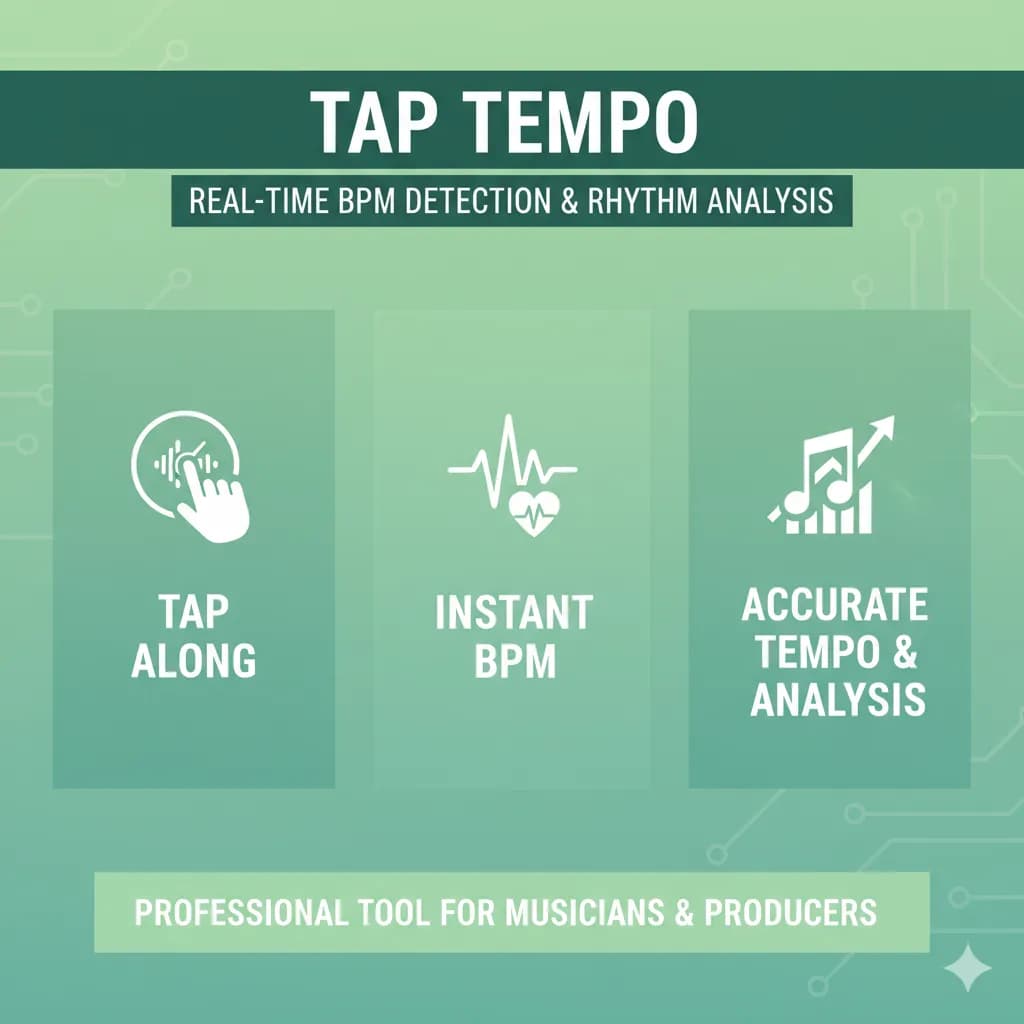
BPM Finder makes that quick. Upload the audio files from your playlist, and the tool analyzes each one right in your browser. For tracks on a streaming service, switch to tap tempo mode and tap along for a few bars. Batch analysis handles up to 50 files at once, and the CSV export lets you sort a whole collection by tempo in a spreadsheet.
Tempo detectors sometimes report half or double the felt tempo, so a 130 BPM Allegro may show up as 65. Tap along to confirm any result that looks odd.
Build Your Classical Study Music Playlist
Start with the task in front of you and pick the matching tempo band. Slow pieces suit reading and memorizing, mid-tempo pieces support writing and problem solving, and faster pieces keep repetitive review moving. Try a few tracks from each group over a week and keep the ones that help you settle in quickly. Check their tempos, group them by task, and you will have classical study music ready for every kind of session.
BPM Finder Blog
BPM Finder tips, tutorials, and guides for creators
Classical Study Music: 30 Pieces Sorted by BPM for Every Type of Task
Find classical study music matched to your task. 30 pieces sorted by BPM, from slow Adagios for memorizing to brisk Allegros for flashcards and review.
Read More
BPM Finder Reviews: What Users & Media Are Saying About Us
Comprehensive collection of user reviews, testimonials, and media coverage of BPM Finder tools. Discover what DJs, producers, and music enthusiasts really think about tempo detection software.
Read More
Best Tunebat BPM Alternative 2026: 300-Track Benchmark Proves 67% Higher Accuracy
Looking for a Tunebat BPM alternative? We benchmarked BPM Finder against Tunebat and VocalRemover across 300+ sealed tracks. 67% win rate, 100% client-side, all browsers supported.
Read More
pdfzus: Privacy-First PDF Zusammenfügen for Music Creators
Discover pdfzus, a client-side PDF merging tool that protects your contracts, royalty statements, invoices, and other documents. Perfect for DJs, producers, and music professionals who value privacy.
Read More
120 BPM Songs: The Best Tempo for Every Scenario and Mood
Discover the best 120 BPM songs across all genres! From pop hits to electronic anthems, best for dancing, running, and productivity.
Read More
How to Find BPM of a Song: Producer-Grade Workflow and Tools
Master how to find BPM of a song with tap tempo, apps, DAWs, and advanced analysis techniques DJs and producers trust.
Read More

Running BPM Mastery: 2025 Heart Rate & Cadence Playbook
Master running bpm in 2025 with heart rate science, cadence tuning, and a 15-step action plan backed by lived experience, expert research, and pro tools.
Read More
How Many BPM is Normal? Complete Heart Rate Guide for All
Discover what BPM is normal for adults, children, and athletes. Learn age-specific heart rate ranges, when to worry, and how to measure accurately.
Read More
How to Calculate BPM: Guide to Heart Rate & Music Tempo (2025)
Learn how to calculate BPM for both heart rate and music tempo. Step-by-step methods, tools, and expert tips for accurate BPM measurement.
Read More
What Is Lossless Audio? Complete Guide in 2025
Discover what is lossless audio with our comprehensive guide. Learn about FLAC vs ALAC formats, streaming services, equipment requirements.
Read More
Recommended Tools
Discover additional tools to enhance your music production workflow